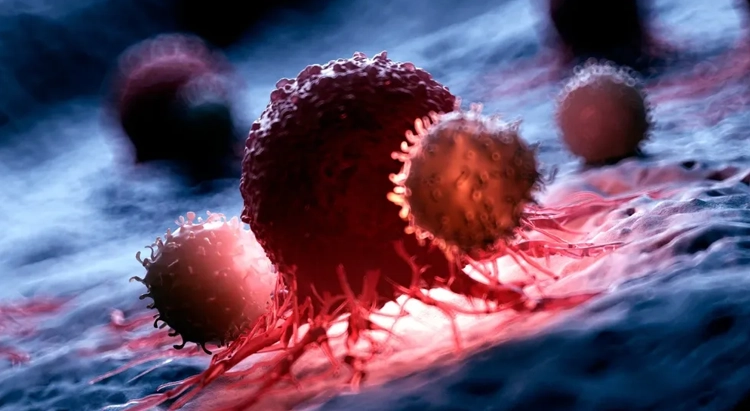
Y-90 RadioGel™ is a device designed for radiation treatment of solid tumors but what exactly is Y-90?
Yttrium-90 (Y-90) is a radioactive substance used in cancer treatment. In simple terms, it is a special type of radiation therapy where tiny particles containing Y-90 are delivered directly into the tumor. These particles emit radiation that destroys cancer cells while minimizing damage to surrounding healthy tissue.
The Role of Yttrium-90
Cancer treatment has witnessed significant advancements over the years, with new technologies and methods continually being explored to enhance efficacy and reduce side effects. One of the most promising developments in recent years is the use of Yttrium-90 (Y-90) in cancer treatment. This innovative approach, known as radioembolization or selective internal radiation therapy (SIRT), offers a safer and more targeted method for combating cancer.
Understanding Yttrium-90
Yttrium-90 is a radioactive isotope that emits beta particles, which are capable of destroying cancer cells. What makes Y-90 particularly effective is its ability to deliver high doses of radiation directly to the tumor while sparing the surrounding healthy tissue. This targeted approach minimizes the adverse effects commonly associated with traditional radiation therapy. Vivos Inc has recently filed for trademark protection for Beta-Gel and believe that the yttrium-90 beta gel therapy is superior.
How Does Y-90 Work?
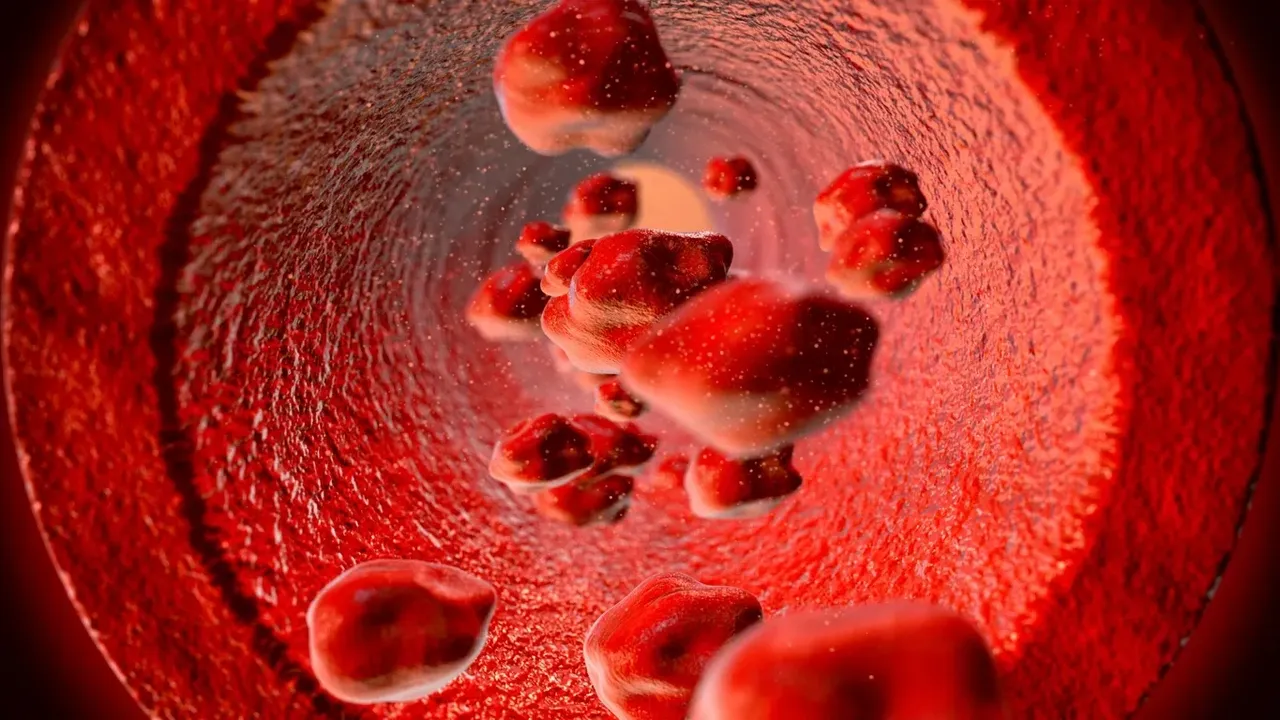
The procedure typically involves the insertion of a catheter into the tumor. Through this catheter, microspheres loaded with Yttrium-90 are delivered directly to the tumor. These microspheres lodge in the tumor’s blood vessels, where they emit radiation locally, effectively killing cancer cells. The localized nature of this treatment allows for higher doses of radiation to be used, enhancing the treatment’s efficacy without increasing systemic toxicity.
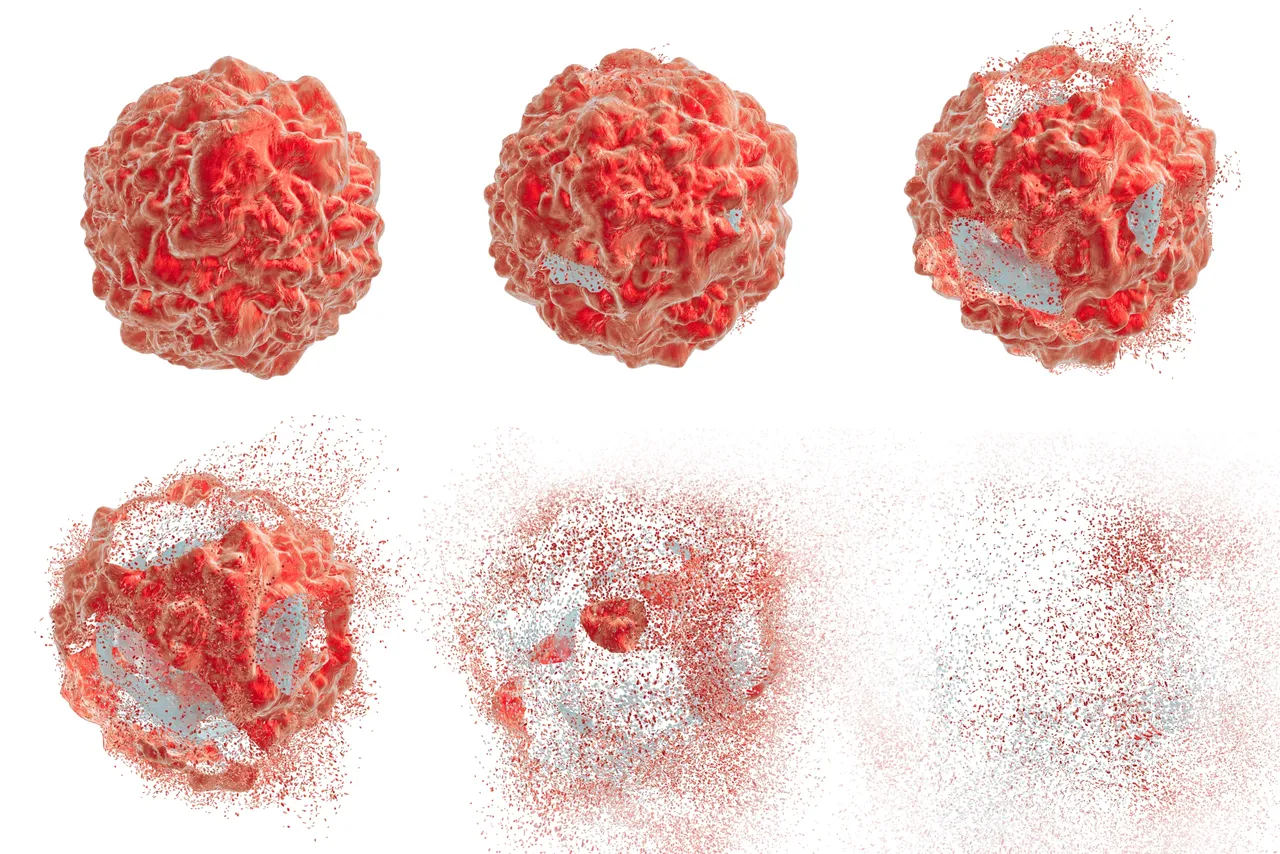
What Are the Benefits of Yttrium-90 For Cancer?
- Targeted Therapy: The primary advantage of Y-90 is its precision. By focusing radiation on the tumor, healthy tissues experience minimal exposure, reducing the risk of side effects. Vivos Inc has the trademark for Precision Radionuclide Therapy™ as an injectable device to treat tumors in animals (IsoPet®) and in humans (RadioGel™, not currently approved for human use).
- Reduced Hospitalization: Y-90 treatment is usually performed on an outpatient basis, significantly reducing the need for prolonged hospital stays and allowing patients to return to their daily activities sooner.
- Efficacy in Inoperable Tumors: For patients with tumors or those who cannot undergo traditional surgery, Y-90 provides a viable treatment option that can shrink tumors and extend survival.
- Combination with Other Therapies: Yttrium-90 can be used in conjunction with other cancer treatments, such as chemotherapy, to enhance overall treatment effectiveness.
Does Y-90 Produce Side Effects?
While Yttrium-90 treatment is generally considered safe, patients may experience some side effects such as temporary fatigue. Long-term side effects are rare, and the risk of radiation-induced damage to healthy tissues is significantly lower compared to conventional radiation therapy. To read the research paper by Darrel Fisher – Radiation Safety for Yttrium-90-polymer Composites (RadioGel™) in Therapy of Solid Tumors click this link.
What Is The Science Behind Y-90 and RadioGel™
Clinical studies have demonstrated promising results with Y-90 treatment. Ongoing research aims to refine this therapy, optimize dosages, and expand its application to other types of cancer.
The Science of RadioGel™
The product comprises highly insoluble, microscopic, (nominally < 2.0 µm diameter), yttrium-90 phosphate, (90YPO4), crystalline particles suspended in a sterile phosphate-buffered saline-polymer delivery vehicle, (hydrogel), that is liquid at room temperature. The Y-90 RadioGel™/Hydrogel mixture is injected directly and uniformly into tumors.
The Y-90 RadioGel perfuses tumor tissue via interstitial fluid spaces to distribute the microscopic Y-90 particles evenly throughout the tumor tissue. The product gels in place as the delivery vehicle approaches body temperature within the interstitial spaces, (within approximately 15 – 30 seconds). The gelation solidifies the product in place and inhibits migration of the insoluble 90YPO4 particles away from the placement site.
This sequestering of the insoluble 90YPO4 particles precludes their re-distribution to other parts of the body. Direct placement of the product within the tumor maximizes the radiation dose to the target and minimizes radiation exposure to other organs and tissues, thereby achieving a high therapeutic index. The negligible non-target radiation is expected to have no discernible side effects. Test data show no significant migration of 90YPO4 beyond the treatment zone.
Y-90 RadioGel™ employs the high energy (2.3 MeV maximum), short-path length (11 mm maximum), pure beta-particle-emitting radionuclide yttrium-90 (physical half-life of 2.67 days), which effectively delivers a pre-determined highly localized radiation absorbed dose to the target tumor. The average Y-90 beta particle path length of 4.7 mm optimizes the local delivery of therapeutic radiation to cancerous tissue while effectively minimizing radiation dose to nearby healthy tissues.
The Y-90 (90YPO4) particles within the Y-90 RadioGel™ are highly insoluble to effectively preclude Y-90 release from the particles by dissolution in body fluids. The hydrogel delivery vehicle for the Y-90 particles comprises an injectable, sterile, phosphate-buffered saline solution containing a dissolved co-polymer of PLGA, (poly-DL-lactic acid-co-glycolic acid), and PEG, (poly-ethylene glycol), referred to as PLGA-g-PEG. The sequence of PLGA and PEG separated by the “g” is a standard notation that indicates that the primarily hydrophobic PLGA forms the backbone of the polymer with the hydrophilic polyethylene glycol component grafted onto the backbone.
Y-90 RadioGel™ may be implanted using hollow needles (e.g. 22 – 25 gauge). Y-90 RadioGel™ is sterile and is intended for single (one-time) patient use.
Principle Radionuclide: Yttrium-90 (Y-90)
Half-life of Y-90: 2.67 Days
Radiation Energy: β-emitting, 2.3 MeV maximum
To learn more click the link to this research collaboration by Darrel Fisher, Janean Fidel and Charles A. Maitz – Direct Interstitial Treatment of Solid Tumors Using an Injectable Yttrium-90-Polymer Composite

What Is The Future Of RadioGel™ Y-90 In Cancer Treatment?
RadioGel™ is a division of Vivos Inc. and holds the patent for a next generation cancer treatment – Precision Radionuclide Therapy™ (PRnT)™ which is the future of cancer treatment. Our RadioGel™ division assembled a team of talented and dedicated scientists and professionals who are passionate about improving cancer treatment through cutting edge technology. Our team is working through the final stages of review before submitting the necessary documents for IDE Submission to begin human trials at the Mayo Clinic in the near future.
As for the future of Yttrium-90 in cancer treatment, it looks promising. Advances in imaging techniques and delivery systems are expected to further enhance the precision and effectiveness of this therapy. Additionally, ongoing research into combining Y-90 with immunotherapy and other targeted treatments may open new avenues for treating various cancers more effectively. Read our blog The Future of Radiation Treatment to learn more.
In conclusion, Yttrium-90 RadioGel™ represents a cutting-edge advancement in cancer treatment, offering a safer, more targeted approach to combating tumors. As research continues and technology evolves, RadioGel™ Y-90 therapy has the potential to become a cornerstone in the fight against cancer, providing hope and improved outcomes for patients fighting cancerous tumors worldwide.